(678) 985-9800 Schedule An Inspection
Home  ›  Case Studies  ›  A Freshly Painted Flip Hiding Safety Defects
1999 Home · Atlanta, GA · Buyer's Inspection

Freshly painted top to bottom. Quietly unsafe underneath.

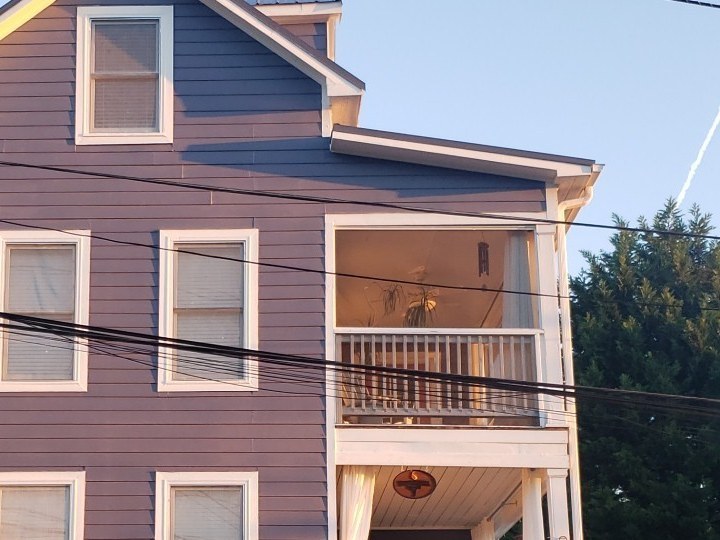
This 1999 three-story home in intown Atlanta had been freshly painted inside and out and listed move-in ready — there was even a flyer in the house advertising the new paint. Then we looked past it.

A three-story home, freshly painted blue, listed move-in ready
1999
Era of the home
3-story
Crawlspace foundation, intown
Buyer's
Pre-purchase inspection
9
Safety-related findings
The Situation

A home that showed move-in ready

The home had been freshly painted top to bottom in 2021 — interior, exterior, and the kitchen cabinetry — and put back on the market move-in ready. There was even a real-estate flyer in the house advertising the new paint. On a walk-through it showed beautifully: clean, bright, and current.

Our client was buying, and on the surface there was very little to question. The paint was new, the rooms photographed well, and nothing obvious stood out. It is exactly the kind of house a buyer relaxes in.

Then we tried to open a few windows — and several wouldn't budge, painted shut in the same coat that made the house show so well.

What We Found

The paint was new. The safety wasn't.

Seven findings from a report of more than fifty — grouped around the cluster that mattered most: the things that made a freshly painted house genuinely unsafe.

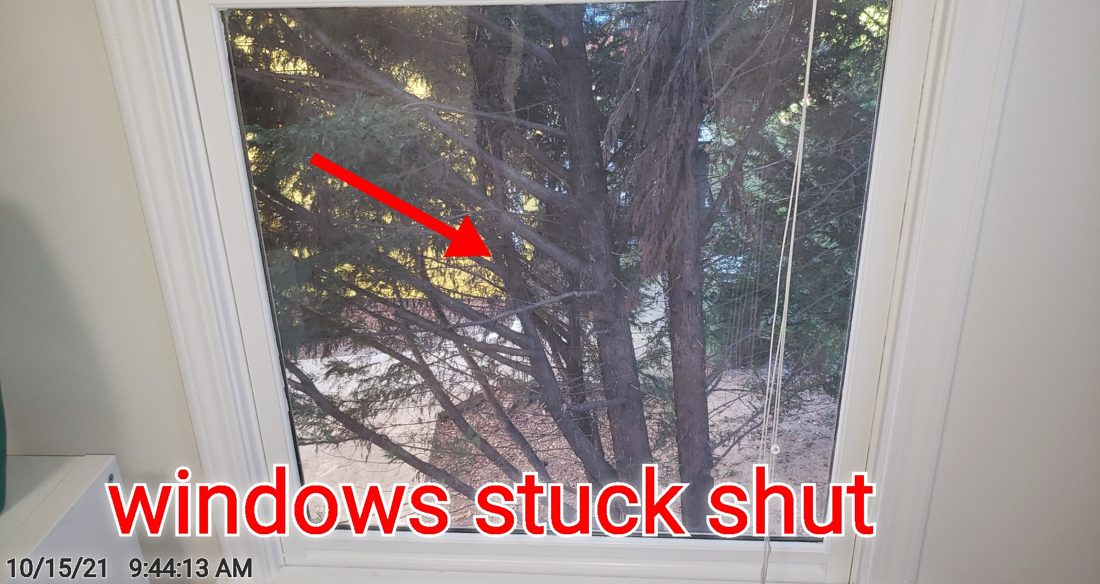
An upstairs window painted shut, flagged by the inspector with a red arrow
Finding 01 · Safety

Windows painted shut — over the fire exits

What it is

The 2021 repaint sealed windows shut in several rooms — the dining room, the family room, the master, two more bedrooms, and the loft. They could not be opened.

Why it matters

Bedroom and living-space windows are a required second way out in a fire. A window painted shut over an egress opening is a life-safety defect — and it is hiding in the exact coat of paint that made the house show so well.

Ballpark: $75 – $200 per window
Illustrative range — freeing and re-balancing painted-shut sashes; whole-house can exceed $1,000. Not a quote.
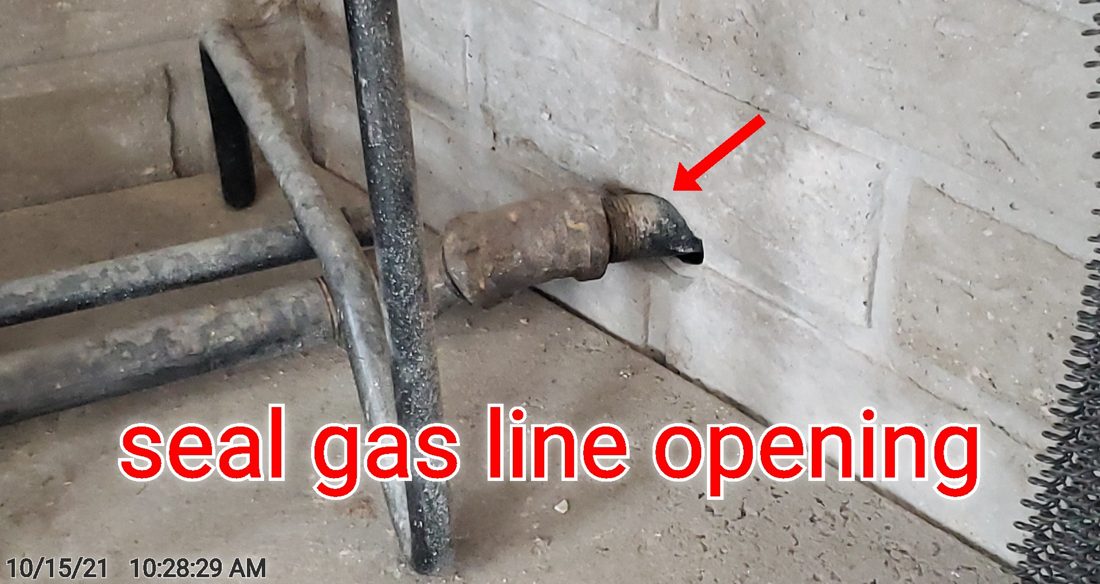
An unsealed opening around the gas line where it enters the firebox
Finding 02 · Safety

An unsealed gas line in the firebox

What it is

At the gas-starter fireplace, the opening where the gas line passes into the firebox had not been sealed.

Why it matters

An open penetration around a gas line in a firebox is a fire-safety defect. It needs a proper fire-rated seal — not a cosmetic patch — and it is not something a buyer would think to check.

Ballpark: $150 – $400
Illustrative range — a fireplace technician sealing the penetration. Not a quote.
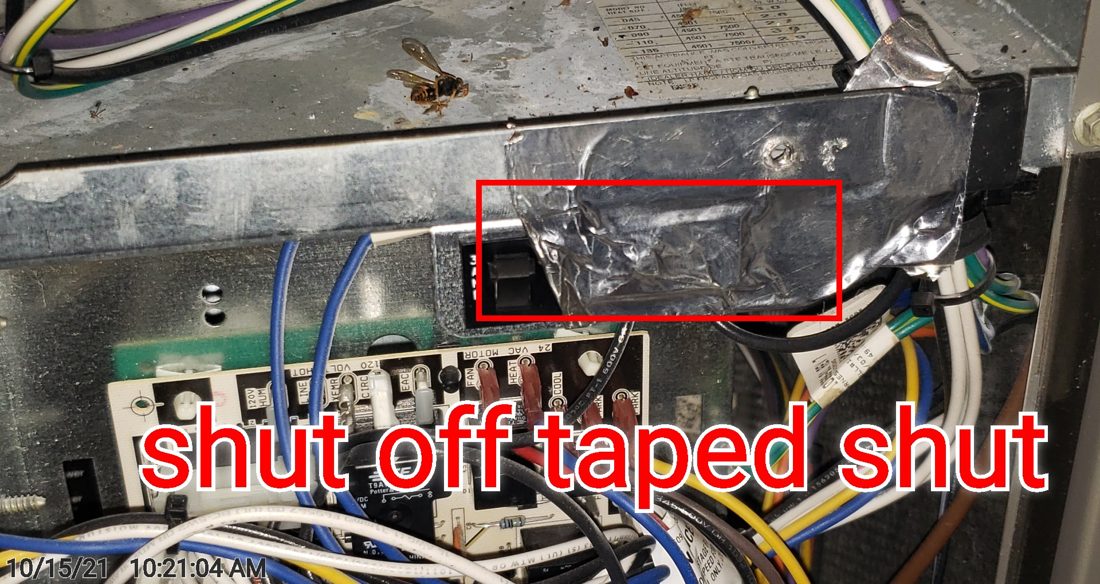
A furnace blower-door safety switch taped over and disabled
Finding 03 · Safety

A furnace safety switch — taped shut

What it is

On the upstairs furnace, the blower-door auto shut-off — the interlock that cuts the unit when its access panel is removed — had been taped over and disabled.

Why it matters

That switch exists to keep the furnace from running with its door off. Defeating it is a deliberate shortcut, and a freshly painted walk-through would never reveal it.

Ballpark: $100 – $250
Illustrative range — an HVAC technician restoring the interlock. Not a quote.
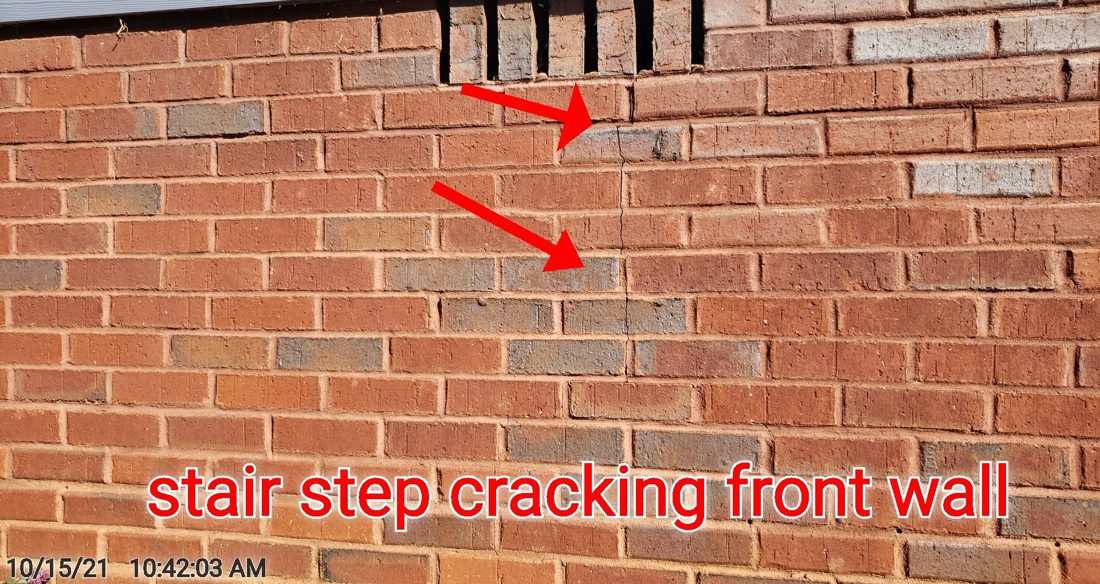
Stair-step cracking stepping through a brick foundation wall
Finding 04 · Structure

Stair-step cracking in the foundation

What it is

On a foundation wall the inspector found stair-step cracking — diagonal cracks that step along the block joints — which can indicate the footer below is settling.

Why it matters

A 1999 home that shows new can still have a foundation that is moving. Stair-step cracking warrants a structural engineer's evaluation before you count on it — the kind of thing fresh paint can sit right on top of.

Ballpark: $400 – $700 to evaluate
Illustrative range — a structural engineer's assessment; any repair depends entirely on what they find. Not a quote.
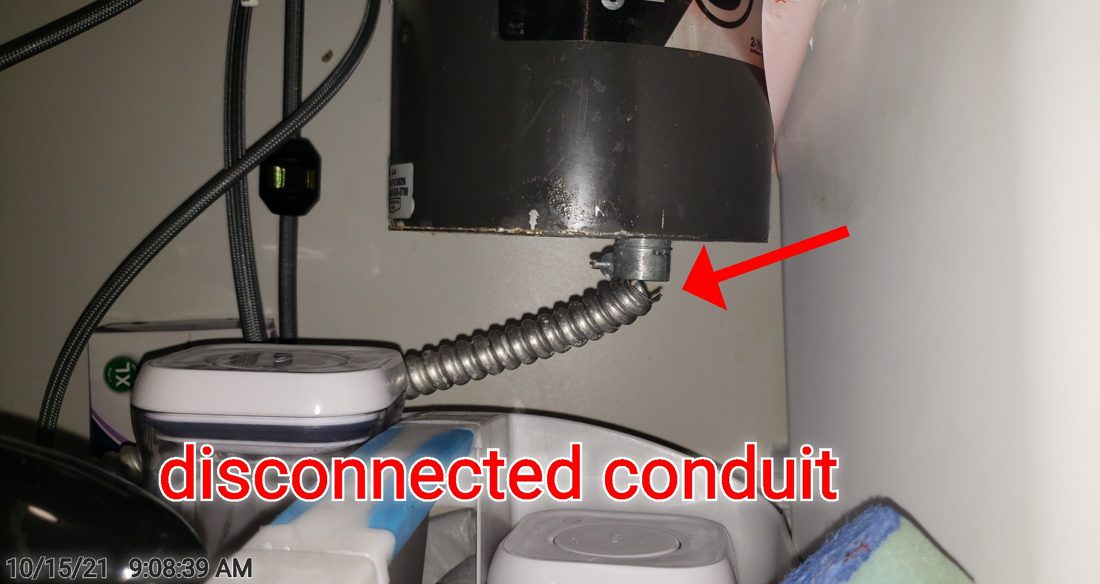
Disconnected electrical conduit and exposed wiring under the garbage disposal
Finding 05 · Safety

Exposed wiring at the garbage disposal

What it is

Under the kitchen sink, the electrical conduit at the base of the garbage disposal was disconnected and damaged, leaving wiring exposed.

Why it matters

Exposed wiring inches from the sink plumbing is a shock and fire risk. A certified electrician should re-secure the conduit and protect the wiring.

Ballpark: $120 – $250
Illustrative range — an electrician re-securing the conduit. Not a quote.
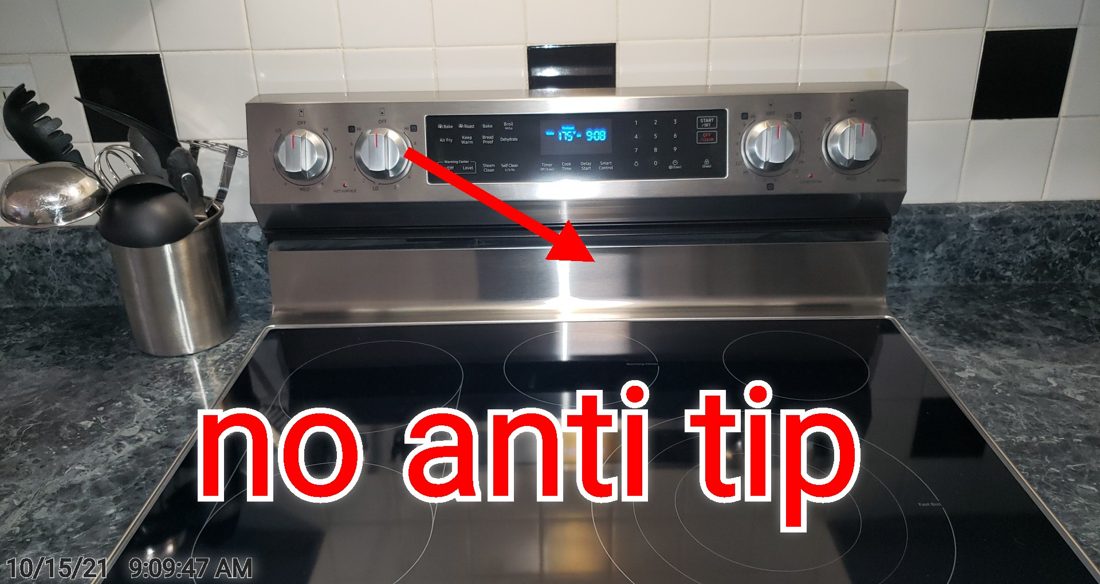
A kitchen range installed without an anti-tip bracket
Finding 06 · Safety

A range with no anti-tip bracket — a child hazard

What it is

The kitchen range had never been secured with its required anti-tip bracket.

Why it matters

An unsecured range can tip forward if weight lands on an open door — a documented hazard for small children. The report flagged it to be corrected right away. It is a roughly $20 part that is easy to skip when a house is being readied to sell.

Ballpark: $20 – $80
Illustrative range — anti-tip bracket and install. Not a quote.
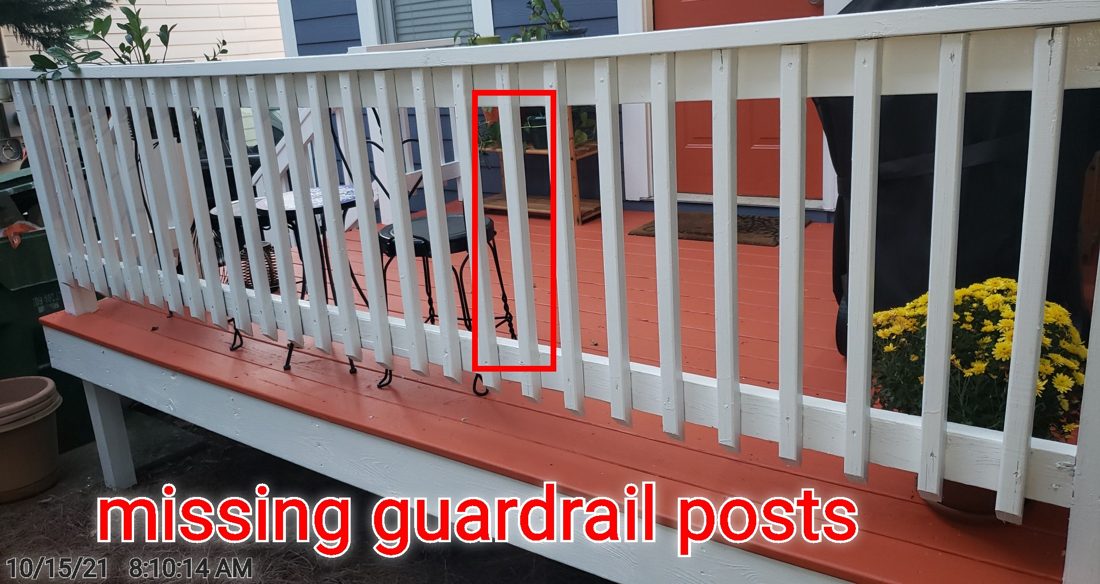
A deck guardrail section missing its structural support post
Finding 07 · Safety

Deck guardrails missing their structural posts

What it is

On this three-story home, sections of the deck and balcony guardrails had not been built with proper support posts anchored to the structure — some sections had no posts at all. Earth-to-wood contact was also noted at the bases.

Why it matters

A guardrail you can lean on three stories up has to be structurally anchored. These looked finished but were not safe to trust — a serious fall hazard hiding behind a tidy exterior.

Ballpark: $800 – $2,500
Illustrative range — adding and bolting proper guardrail posts, depending on deck size. Not a quote.
The Outcome

What the inspection meant for our client

Our client took the report and built a complete punch-list from it — every finding, organized into one document. Instead of negotiating a vague closing credit, they handed the seller a clear, specific list to fix.

The seller had a licensed contractor make all of the repairs in the report. And because our client did not have to take anyone's word that the work was done — or done correctly — we came back and performed a re-inspection after the repairs, confirming each item had actually been addressed, and addressed properly, before our client moved forward.

That is the whole value of an independent inspection on a home that already "looks done." A freshly painted, move-in-ready house can still hide a cluster of safety problems — and a thorough report does not just find them, it gives you the leverage to get them fixed and the means to verify the fix.

Buying a Freshly Updated Home?

Find out what the fresh paint is covering.

New paint and updated finishes don't tell you whether a home is safe. Schedule an independent inspection and walk into closing with a punch-list you can act on — and verify.

Schedule Your Inspection