Step 1 — We take the panel cover off
The main service panel is the heart of the electrical system, and the most revealing part of it is hidden behind the metal “dead front” cover. Where it’s safe to do so, we remove that cover and look inside. That’s where we find the things a buyer would otherwise never know about:
- Breakers sized larger than the wire they protect — a fire risk
- Burn marks, scorching, or other signs of overheating
- Double-tapped breakers (two wires under a breaker not rated for it)
- Loose connections and improper grounding or bonding
- Outdated or amateur “DIY” wiring
- Panels with a known failure history — Federal Pacific and Zinsco panels, common in older metro-Atlanta homes, have documented safety problems. We cover those in Defective Building Products Hiding in Metro Atlanta Homes.
None of this is visible with the cover on. It’s also the single most common place we find something that changes how a buyer feels about a house.
Step 2 — We test every accessible circuit
With the panel documented, we move through the home circuit by circuit, checking:
- GFCI protection where it’s required — kitchens, bathrooms, garages, and exterior outlets
- AFCI protection in bedrooms and living spaces
- Correct polarity and proper grounding at receptacles
- Abandoned, loose, or exposed wiring
- Flickering lights, dead outlets, failing switches, and damaged receptacles
These findings range from a fifteen-dollar fix to a genuine shock or fire hazard. The point of the inspection is to tell you which is which — before you close, not after.
Step 3 — Lighting, fixtures, and the spaces you never look
Plenty of electrical problems hide in plain sight or just out of view:
- Overloaded or improperly wired light fixtures
- Ceiling fans mounted to a box that isn’t fan-rated
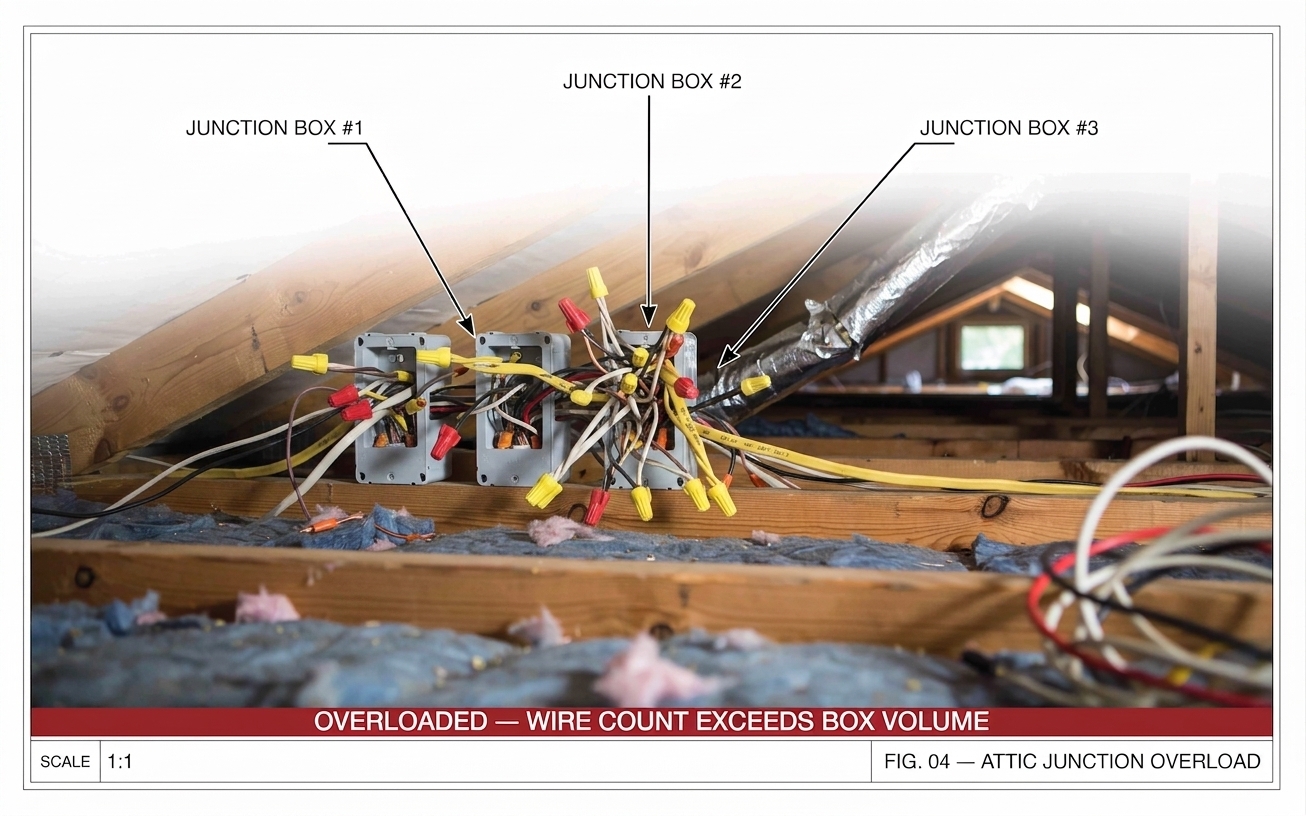
- Open splices and junction boxes missing covers in attics and crawlspaces
- Exterior lighting, attic fans, and garage systems
We check these because they’re exactly the kind of thing a quick walkthrough misses.
Why this matters more in a metro Atlanta home
Gwinnett and the surrounding counties hold everything from 1970s split-levels to brand-new construction, and no two electrical systems are alike. Older homes carry outdated wiring and aging panels; newer homes can hide rushed or DIY work behind fresh drywall. Add Georgia’s humidity — which accelerates corrosion in exterior and crawlspace wiring — and the electrical system becomes one of the most important parts of any inspection here.
“Craig was very thorough and efficient in his inspection… He’s given me much more confidence in the safety of my home purchase!”
“My inspector Chris pointed out a few items I had missed… It was well worth the money to find out things that would have cost me the buyer more money in the long run.”
The bottom line
A home’s electrical system isn’t something we sell on its own — it’s one of the core components of a full home inspection, evaluated the same careful way every time. If you’re buying, it’s one of the systems where a thorough inspection pays for itself many times over.